Home · Services · Whole-Home Surge Protection
Whole-Home Surge Protection in Boone, IA
Quick answer
Surge protection in Boone against lightning season surges, with the device's limits stated plainly in Boone, shaped by farm era and town homes, cape and ranch sections, and college side rentals where small farm era panels, river valley storm surges, and layered rental work drive the call pattern.
The Boone read on whole-Home Surge Protection: older farm era and early town homes near the center and river side, postwar capes and ranch homes across the middle sections, newer subdivision homes on the growth roads, and college side rental stock near the campus streets. Des Moines River and the area's cold winters, hot humid summers, and a strong spring and summer storm season off the plains decide what gets scoped first, and that order is written into the scope before anyone commits to a price.
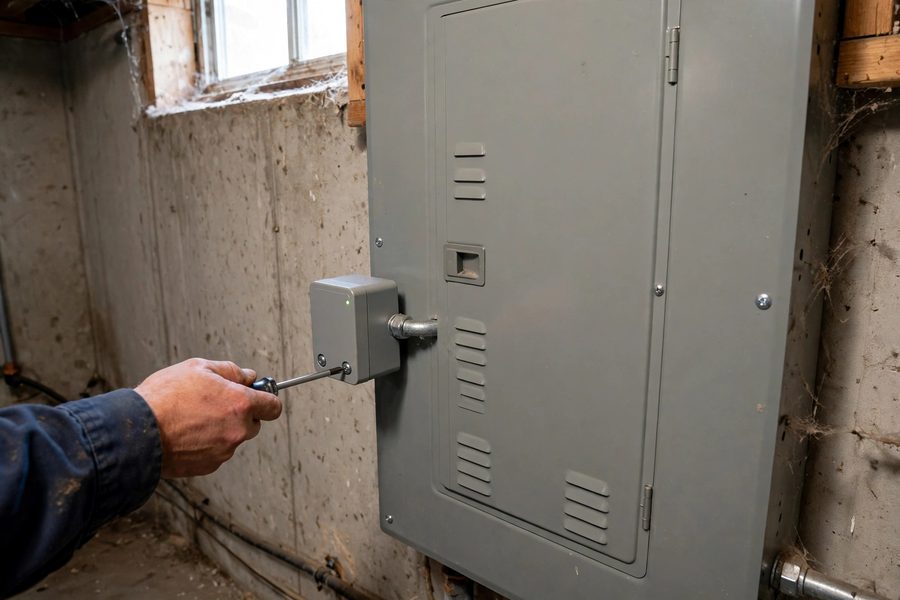
How we approach this job
Prevention economics: For whole-home surge protection in Boone, the buying situation is timing: a planned, lower-cost visit now against an emergency visit later, priced honestly against each other.
Signs you need whole-home surge protection
- Frequent small outages and flickers suggest a surge active service. It usually means a surge active service is aging every board in the house slowly; the protector is the cheap half of that story.
- A home full of modern electronics on older wiring with no protection at the panel. It usually means the protection gap is at the panel, and that is where the correction lives.
- A nearby lightning strike killed electronics or an appliance board. It usually means storm weeks are killing boards and appliances in clusters.
- The AC or a major appliance needed a control board after a storm. It usually means one protector at the panel defends the whole house's electronics at once.
What the job involves
What affects the price
- Protector class and panel compatibility
- Grounding corrections needed for the device to perform as specified
- One panel versus multiple panels on larger services
- Whether the install rides along with a panel or generator job (cheaper together)
When it is an emergency
Surge protection is planned work, ideally before storm season, and it is prevention, not repair: it does not fix a system already damaged. After a strike that killed multiple devices, the order is assessment of what is damaged first, protection second, so the next storm meets a guarded panel.
PLACEHOLDERWhole-Home Surge Protection across the Boone area
Related services
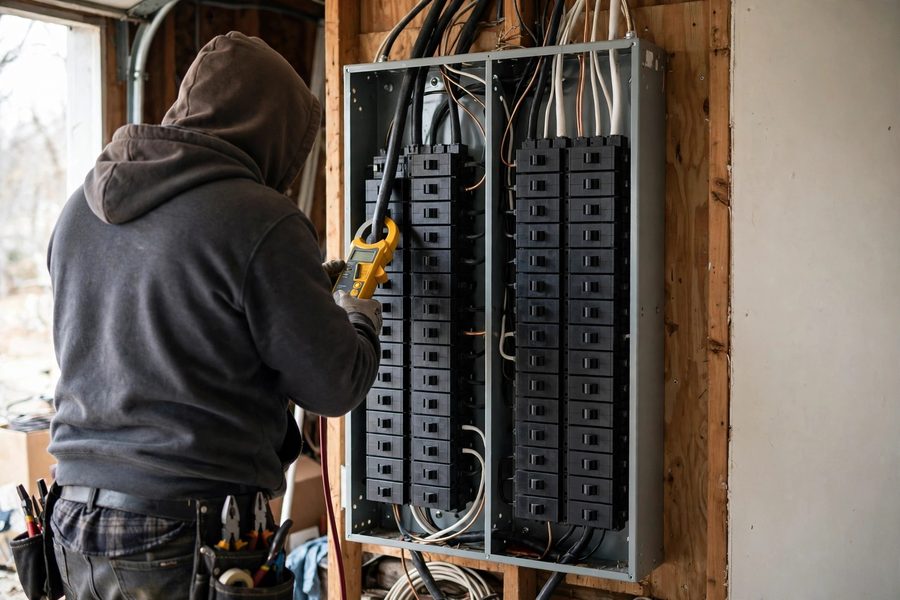
Emergency Electrical Repair
Emergency electrical repair in Boone triaged by hazard, mast damage and instant trips as stop signs in Boone, shaped by farm era and town homes, cape and ranch sections, and college side rentals where small farm era panels, river valley storm surges, and layered rental work drive the call pattern.
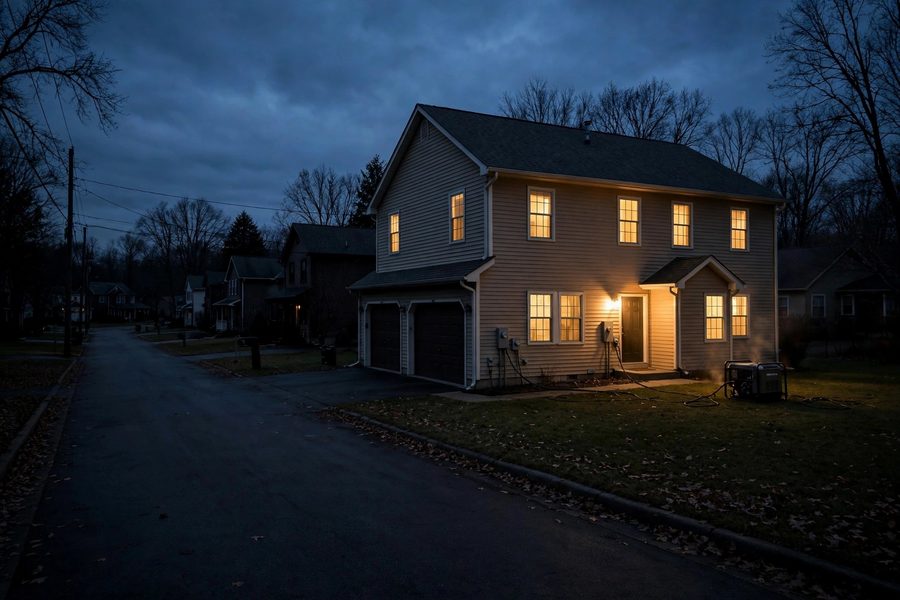
Generator Hookup & Installation
Generator hookups in Boone installed in the calm season, circuits listed, backfeed impossible by design in Boone, shaped by farm era and town homes, cape and ranch sections, and college side rentals where small farm era panels, river valley storm surges, and layered rental work drive the call pattern.
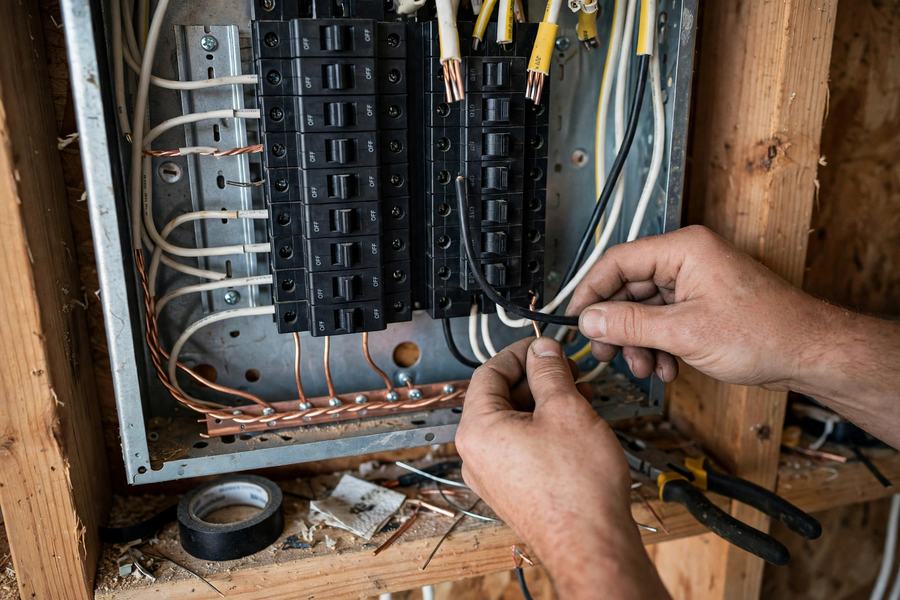
Breaker Panel Replacement & Upgrades
Panel replacement in Boone from a shown load calculation, permitted and labeled in Boone, shaped by farm era and town homes, cape and ranch sections, and college side rentals where small farm era panels, river valley storm surges, and layered rental work drive the call pattern.
Wiring & Rewiring
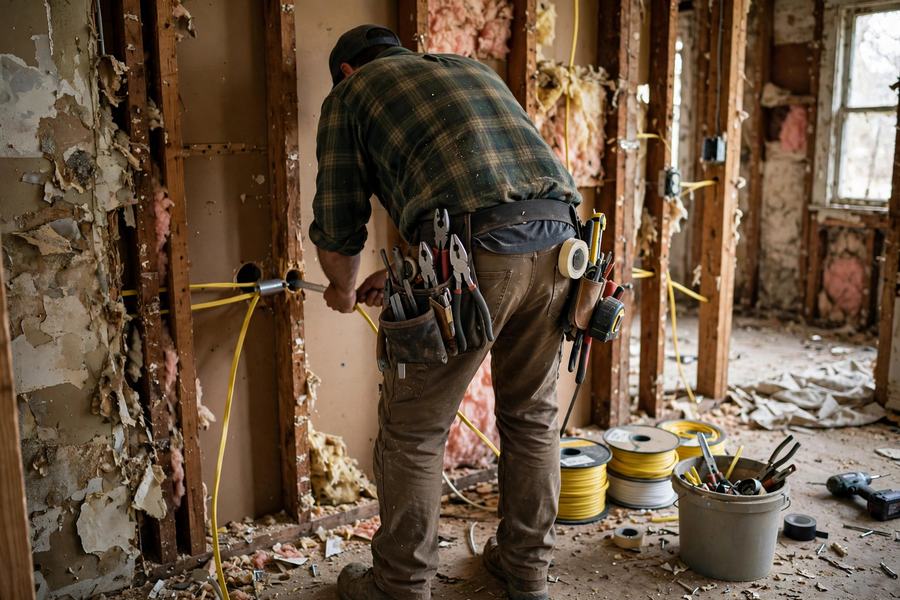
Wiring work in Boone by era: aluminum connections made safe, remodel loads scoped in Boone, shaped by farm era and town homes, cape and ranch sections, and college side rentals where small farm era panels, river valley storm surges, and layered rental work drive the call pattern.
Whole-Home Surge Protection questions, answered
When is whole-home surge protection an emergency?
Surge protection is planned work, ideally before storm season, and it is prevention, not repair: it does not fix a system already damaged. After a strike that killed multiple devices, the order is assessment of what is damaged first, protection second, so the next storm meets a guarded panel.
What affects the price of whole-home surge protection in Boone?
The main price factors for whole-home surge protection are covered in the cost section above. The contractor confirms the exact price in a written estimate after seeing the job, and nothing is owed until you approve it. The call and the referral are free.
Will a surge protector save my Boone home from lightning?
From the surges lightning induces on the lines, largely yes; from a direct strike, nothing honest makes that promise. Central Iowa's pattern is mostly the first kind: strikes nearby drive surges through the service, and a panel mounted device clamps them at the door. The layered approach, panel device plus point of use protection on the electronics that matter, plus unplugging in the worst cells, is what local electricians actually do in their own houses, and a scope that says so plainly is the honest one.
How much does an electrician cost in Boone?
Published national guides put electricians commonly at $50 to $100 or more per hour plus a service or trip fee, with small jobs (a device replaced, a fault traced) often landing between $150 and $400 all in. By the project: breaker panel replacement commonly runs $1,300 to $3,000, a generator interlock or transfer switch hookup $500 to $1,500, whole home surge protection a few hundred dollars installed, and whole home standby generators $10,000 to $15,000 or more installed. Written pricing after the assessment, with permit costs stated, is the number to compare.
My breaker keeps tripping. What does it mean, and can I just keep resetting it?
A breaker trips for three reasons: the circuit is genuinely overloaded, there is a short or ground fault on it, or the breaker itself has failed. Resetting once after unplugging loads is reasonable diagnostics. A breaker that trips instantly, trips with nothing running, or feels warm is reporting a fault, and repeatedly forcing it is how a protection device becomes a fire starter. The tracing order is panel, then the circuit's devices and junctions, and the finding is usually a specific device, a damaged conductor, or an appliance confessing. That visit is a repair, not a mystery.
Request a callback
Prefer to talk later? Leave your details and an independent local pro will call you back. No charge to you, no obligation.
Des Moines River Electric is a free referral service. Submitting this form connects you with independent local contractors who provide the work.